How To Treat Eye Infection From Contacts?
Sep 01, 2026
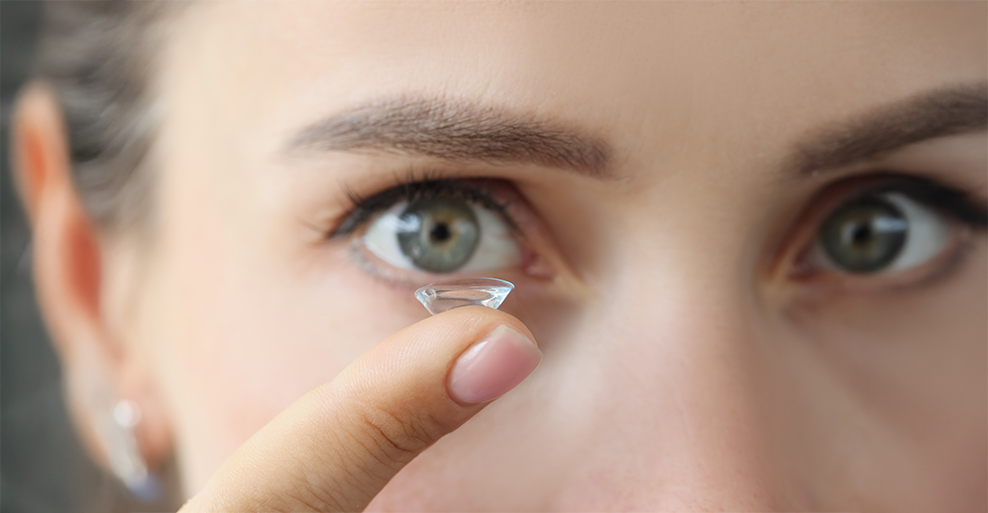
Contact lens–related eye infections need prompt, proper care to prevent long-term vision issues. These symptoms of redness, pain, irritation, or an unusual discharge must not be ignored under any circumstances.
This manual provides clear steps for properly treating infections. It explains your immediate reaction and how to return to safely and comfortably wearing contact lenses.
Recognizing Symptoms of Infection Early
Understanding early signs of a contact lens–related eye infection helps prevent complications and supports faster recovery. You can use these signs to time your intervention and prevent the problem from getting worse.
Common Warning Signs
Redness, irritation, or watery eyes often signal inflammation triggered by bacteria, debris, or improper lens hygiene. Thick discharge from the eye or sticky eyelids means the infection is worsening. You should see a doctor right away. A sudden blurred vision can be a sign that the cornea is getting affected in the early stage and therefore needs to be taken care of without delay.
When Symptoms Suggest Severe Infection
Sharp, persistent eye pain or sensitivity to light can point to bacterial keratitis — a serious condition. If you wear contact lenses and see white or gray spots on your cornea, don't wait. Get a medical check-up right away. An infection which is at its late stage and is capable of threatening the person's sight is impounded in these spots. In fact, such patients are advised to go to the nearest hospital or clinic at once.
Confirming the Cause
Poor cleaning habits and sleeping with contacts are frequent triggers for infections. Microbial growth around the lenses is increased by the use of expired or contaminated solutions. Prolonged use of the cornea without oxygen makes it very susceptible to inflammation and infection.
How to Treat Contact Lens Infection Safely?
Quick and proper reaction is what really helps to stop the infection and keeps your sight safe once the symptoms are visible. These things that you do serve as a safe way of healing and getting better again.
Stop Wearing Contacts Immediately
Stop putting on your lenses if you feel irritated or notice that your eyes are red. Don’t “experiment” with your comfort by inserting the lenses again — this will make the infection worse. Sanitize or throw away the pair that you are using in order to avoid being contaminated again while you are healing.
Switch to Prescription Glasses During Recovery
Glasses provide needed vision correction without touching the irritated cornea. By wearing glasses friction is lessened and the infection does not get worse. Such lenses may also help relieve the eye strain during the recovery process.
Seek Proper Medical Treatment
An eye care professional may prescribe antibiotic or antiviral eye drops depending on the infection type. Don't use steroid drops all by yourself as they can worsen the situation. Make sure you follow your doctor’s instructions strictly to keep the condition from coming back or getting complicated.
Support Healing at Home
Use preservative-free artificial tears to soothe dryness and discomfort. During recovery, do not put on eye makeup, do not rub your eyes, and do not touch the eye area in any way. When the healing process gets going, change your lens case and solution as if you were starting anew with clean and safe supplies.
How Long Can I Wear Contact Lenses in a Day Without Infection Risk?
It is quite necessary that the eyes be kept in a healthy condition by wearing contacts for no more than the right amount of time each day and thus, infections must be avoided. It's crucial in daily practice to know: how to wear lenses safely each day, when to take them off, and which eye-protecting habits to keep for the long term.
Safe Wearing Duration
Most soft contact lenses should be worn for no more than 8–10 hours per day. Wearing lenses beyond the recommended duration decreases the oxygen supply to the cornea, which is why the eyes are more susceptible to irritation and infection. The use of these lenses, albeit “extended wear” should still be avoided at night as an increase in risk for bacterial keratitis that is caused by the use of the eye overnight is very significant.
When to Remove Lenses Immediately?
Take your lenses out right away if you feel dryness, irritation, or sudden blurry vision, as these symptoms mean your cornea isn’t getting enough oxygen. After swimming, take off your lenses, as the exposure to water increases the chances of Acanthamoeba and other pathogens. Additionally, do not wear contacts when you are ill, as your immune system is compromised, and infections can get you more easily.
Healthy Wearing Habits
Stick to the lens replacement schedule recommended by your eye doctor — never stretch daily, bi-weekly, or monthly lenses beyond their intended use. Mixing a fresh solution for cleaning and refraining from just partially filling an old liquid is very important in your case. Your eyes need frequent lens-free intervals to keep a healthy oxygen supply and to lessen the strain.
Keeping these habits will allow you to have clear and comfortable vision, while also lowering the chances of getting an infection due to your contact lenses.
Conclusion
Contact lens infections require immediate action and proper treatment. Safe wearing times and consistent hygiene habits are the strongest long-term defense against future problems. With the right care, you can return to wearing contacts comfortably and safely.
Healthy eyes always come first. At GlassesShop, we encourage smart habits like giving your eyes a break from contacts and switching to clean, comfortable prescription glasses whenever irritation appears. Our lightweight designs and advanced lenses make it easy to rest your eyes without sacrificing style.
Use our Face Shape Detector to find frames that suit you perfectly, and enjoy Buy One Get One Free plus free shipping on orders over $69 — because caring for your eyes should always look and feel good.