Best Glasses for Sports: Safety & Fit Guide For Athletes of All Levels
Jun 16, 2026
The best glasses for sports protect your eyes with impact‑rated lenses, meet safety standards like ANSI Z87.1, and fit your face so they stay secure during fast movement. You need sports glasses because regular sunglasses can shatter on impact and slip when you sweat, which raises the risk of eye injury during play.
Eye injuries in sports send thousands of people to emergency rooms each year, often from balls, elbows, or debris. Polycarbonate or Trivex lenses resist impact because their flexible structure absorbs force instead of cracking. Certified frames and wraparound coverage block side impacts and wind, helping you keep your vision clear during motion.
This guide breaks down safety certifications, impact-resistant materials, lens technology, and fit details that keep glasses stable. You’ll also see how sport‑specific designs, prescription sports glasses, and proper care affect comfort and performance, so you can choose eyewear that actually protects your eyes and fits your style of play.
Safety Standards And Certifications For Sports Glasses
Safety standards define how sports glasses protect your eyes during impact, fast movement, and close contact. These ratings set test methods and pass rules, so you can compare eyewear using clear facts instead of just guessing.
These are the two most common U.S. standards for sports eyewear. ANSI Z87.1 tests lenses and frames for impact from high-speed objects and basic coverage. Labs fire steel balls at set speeds to show whether glasses can handle general sports and training use. ASTM F803 tests eyewear for specific sports like basketball, soccer, and baseball. Each test uses sport‑specific impact shapes and speeds, so glasses that pass reduce injury risk in that sport.
Certification shows the eyewear passed controlled impact tests, not just design claims. Lenses stay in the frame and don’t shatter when struck, which lowers the chance of eye cuts or blunt injury during play. Certified products list the standard on the frame, lens, or packaging. Look for “Z87” or “ASTM F803” stamped or etched on the product. Check the brand’s spec sheet for the exact standard and sport category. Certification only applies when you wear the glasses as designed, with correct size and strap use.
Impact-Resistant Materials And Frame Design For Sports Glasses
Impact-resistant sports glasses protect your eyes by using tested lens materials, reinforced frame designs, and shapes that improve coverage during fast movement.
Lens Materials: Polycarbonate vs. Trivex
Polycarbonate lenses meet ANSI Z87.1 and ASTM F803 impact standards, so they resist shattering when hit by balls, elbows, or debris. This lowers the risk of eye injury in sports like basketball or cycling. Trivex lenses also meet impact standards but weigh less and offer clearer optics. For you, that means less eye strain during long games or endurance events.
Frame Materials: Nylon, Acetate, Metal Alloys
Nylon frames flex under stress and return to shape because of their polymer structure. This reduces breakage when glasses take a hit or bend during play. Acetate frames hold shape well but crack under impact, which limits their use in contact sports. Metal alloy frames provide rigidity, yet they can bend on impact, which may affect fit and safety.
Wraparound Designs and Facial Coverage Benefits
Wraparound frames curve around your face to increase lens coverage and limit gaps. They block side entry, reducing exposure to wind, dust, and stray impacts. This design improves peripheral vision while keeping the glasses stable during quick turns and sudden stops.
Lens Technologies For Sports Performance
Lens choices affect how clearly you see, how long glasses stay comfortable, and how well your eyes stay protected. The right technology reduces glare, controls fog, adapts to light, and boosts contrast for your sport.
UV400 And Anti-Glare Protection
UV400 and anti-glare features protect your eyes from sun damage and reduce light scatter so you see sharper details outdoors. UV400 rating blocks light up to 400 nanometers, which covers UVA and UVB rays. The lens filters about 99–100% of harmful UV that can strain eyes during long games.
Anti-glare coating uses a multi-layer surface that reduces reflected light from the lens. This cuts halos and glare when you face bright sun or stadium lights. Less glare lowers squinting and eye fatigue, so you can track the ball longer without losing focus. These features matter most in open-field sports like baseball, soccer, and tennis, where sunlight changes fast.
Anti-Fog And Ventilation Coatings
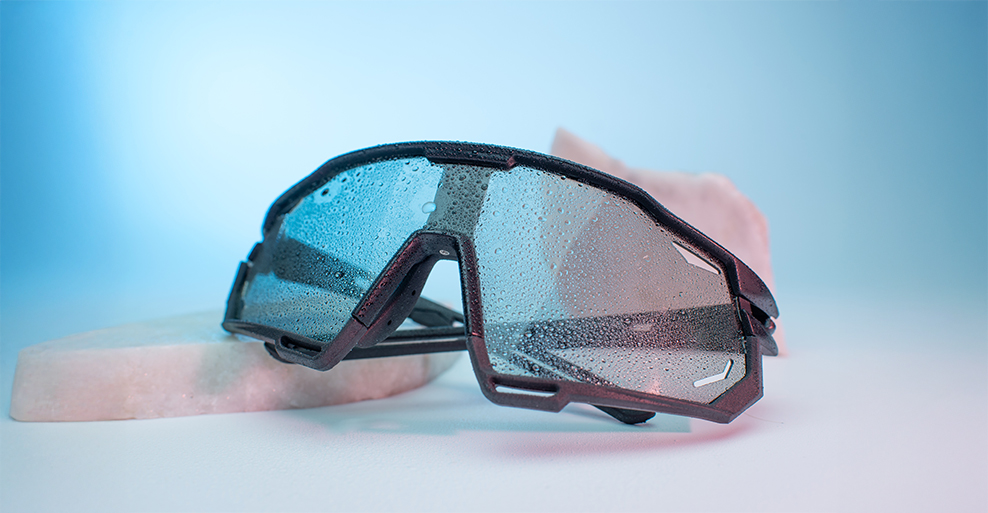
Anti-fog coatings and frame vents keep lenses clear when sweat and temperature changes cause moisture buildup. Hydrophilic coating pulls moisture into a thin, even layer instead of droplets. Fog spreads out and stays transparent, so you can see better.
Ventilated frames have small ports near the lens that increase airflow. Warm air escapes, so fog forms less often during intense movement. Clear lenses help when your heart rate rises and sweat increases. You spend less time adjusting glasses mid-play. Anti-fog layers work best when cleaned with mild soap and water. Rough wiping can reduce their effect over time, so be gentle.
Polarized Vs. Photochromic Lenses In Sports
Polarized lenses cut glare from flat surfaces, while photochromic lenses change tint based on light levels. Polarized lenses use a vertical filter to block horizontal glare from water, pavement, or snow. This improves detail when you fish, row, or run on roads.
Polarization can reduce screen visibility, which may affect sports watches or GPS devices. Photochromic lenses darken when UV exposure increases and lighten indoors. This helps when you move between shade and sun. Polarized suits steady light conditions. Photochromic works better for long sessions with changing light.
Colored Or Tinted Lenses For Contrast Enhancement (Ex: Amber For Cycling)
Lens tints adjust color balance to improve contrast and object separation in specific environments. Amber or brown filters blue light and boosts contrast on roads and trails. This makes cracks, gravel, and shadows easier to spot while cycling.
Gray tint reduces brightness without changing colors much. This helps in bright sun when color accuracy matters. Green tint enhances contrast while keeping colors natural, so it suits field sports with grass backgrounds. Darker tints suit strong sun, while lighter tints work better for overcast or early morning sessions.
How To Keep Glasses Secure During Motion?
You keep sports glasses secure by matching fit features to how your body moves. Small design details control slip, pressure, and balance during sweat, impact, and long wear.
Adjustable Nose Pads And Temple Grips
Adjustable contact points lock the frame to your face by increasing friction where sweat causes slip. Silicone or rubber nose pads increase surface grip because these materials resist sliding when wet. Your glasses stay centered during runs or quick stops. Screw‑mounted or wire‑core pads let you change width and angle. Nose shapes vary, and a custom angle spreads weight evenly.
Temple grips with rubberized or hydrophilic tips hold behind your ears and tighten slightly with moisture. This helps during high sweat sessions. A proper setup avoids pinching, and even pressure reduces hot spots. You can wear glasses longer without pain. Use small adjustments, and test after each change to avoid over-tightening.
Retention Straps And Cushioning
Straps and padding add a secondary hold system that prevents drops during sudden motion. Elastic or neoprene retention straps connect to the temples and sit behind your head. They stop forward slide during jumps or sprints. Barrel locks or sliders control tension. You can loosen for cycling and tighten for court sports.
EVA or foam inserts rest on the nose bridge or temples and spread force over a wider area. This reduces pressure points. Straps help most in trail running, water sports, and contact play where impacts happen. Remove straps for low‑impact workouts to avoid excess pressure.
Shake Test, Sweat Resistance, Helmet Compatibility
Simple tests show whether your glasses will stay put in real conditions. Do a shake test by putting the glasses on and shaking your head side to side and up and down for 10 seconds. If they shift, adjust pads or grips. Wear them for 15 minutes of light exercise and check for slide as sweat builds, since moisture changes friction.
Try the glasses with your helmet on. The temples should sit flat under straps without bending. Here’s a quick checklist:
- For head shake, glasses should show no slide or bounce.
- For sweat build, position should stay stable.
- For helmet fit, you shouldn’t feel pressure or lift.
- These checks reduce distractions and protect your eyes during motion.
How To Choose Best Glasses By Sport?
Every sport asks a bit more from your eyewear. You need glasses that match how you move and what you face out there.
- Running: Pick lightweight glasses with minimal frame flex. Repeated foot strikes shake your head, so frames under about 30 grams with injected nylon help keep bounce down. Your glasses stay stable on long runs and don’t leave dents on your nose.
- Cycling: Wraparound frames with anti-fog ventilation are key. Vented lenses and curved frames push air across the lens surface. This setup helps stop fog when you’re sweating or waiting at a stoplight.
- Basketball / Soccer: Full-seal goggles with impact ratings are a must. Goggles that meet ASTM F803 standards use polycarbonate lenses that won’t shatter. Your eyes stay protected during wild, physical play.
- Racquet Sports/Baseball: Go for ASTM-certified frames that offer clear vision at the lens edges. Sport-rated lenses keep things sharp across the whole lens. You’ll track fast balls and swings without missing a beat.
- Winter Sports: Double-layer lenses with anti-fog coatings work best. The dual-lens design creates a thermal barrier. You’ll have less fog on the lift or bombing down the hill.
Prescription Sports Glasses
Prescription sports glasses help you see clearly and protect your eyes while you play. They combine vision correction with impact protection, so you can focus on the game and not worry about your glasses. These lenses correct vision and meet sports impact standards. Most use polycarbonate or Trivex lenses. These plastics resist shattering, so the lens can take a hit from a ball without breaking. Sports lenses add thickness at stress points. This spreads out force and lowers the risk of cracks, keeping your eyes safer if things get intense. Many come with scratch-resistant and anti-fog coatings. These coatings keep your view clear, even when you sweat or the weather changes.
You can pick how your prescription fits the frame. Lens inserts are small Rx lenses that clip behind a shield lens. The outer shield blocks impact, though inserts sometimes limit airflow. Full-Rx frames put your prescription in the main lens. This gives a wider view and usually less fog, which is great for long games.
A proper fit matters for safety and comfort. If you have a high prescription, an optician can adjust lens shape and thickness to keep your vision steady. For sports like basketball or racquet sports, custom fitting makes sure your frame meets ASTM F803 standards. If your glasses slip or pinch, a fitting can fix the alignment. The frame will stay put while you move.
Maintenance And Replacement Tips
Taking care of your sports glasses keeps them safe, clear, and comfy while you play.
- Cleaning techniques: Wash lenses with lukewarm water, mild dish soap, and a microfiber cloth. Avoid paper towels or shirts, as they scratch polycarbonate lenses and ruin coatings. This keeps your vision sharp and glare down during fast moves.
- Storage and handling: Always store glasses in a rigid case when you’re not using them. Keep them away from heat above 120°F—like a car dashboard. Heat can warp frames and loosen lenses, which makes them uncomfortable. Rinse off sweat or salt to avoid residue that clouds your lenses.
- Replacement timing: Replace lenses if scratches cause blur, glare, or halos. Surface damage scatters light and slows your focus. Swap out frames if hinges loosen, pads harden, or the frame cracks. Bad fit means less protection. If coatings peel or anti-fog stops working, new lenses can fix it.
- Inspection routine: Check screws, hinges, and straps weekly. Tight hardware keeps things aligned, so your lenses stay centered during play.
FAQs
How do I choose the right frame material for sports eyewear?
Pick a frame that can handle impact and flex without cracking. Nylon and TR-90 frames bend under stress instead of snapping. That lowers the risk of sharp frame edges if you fall or get hit. Lightweight frames put less pressure on your nose and ears. You’ll feel less fatigue during long games. Rubber nose pads and temple tips grip better when wet. This keeps your glasses in place as you sweat.
Are there specific sports glasses for children?
Yes, kids need frames and lenses for smaller faces and higher impact risk. Many youth models meet ASTM F803 for sports like basketball and soccer. These glasses pass impact tests with fast-moving balls. One-piece or wraparound frames hide sharp edges. This helps prevent facial cuts. Adjustable straps replace straight temples. Glasses stay put during running and jumping.
What features should I look for in lenses for high-impact sports?
High-impact sports need lenses that won’t shatter and can handle fast objects. Polycarbonate or Trivex lenses absorb impact energy. They crack less than standard plastic when hit. Sports lenses are thicker than regular eyewear. This adds a buffer against direct hits. ANSI Z87.1-rated lenses pass specific impact tests. You know they can handle high-velocity objects.
How should sports glasses fit for maximum safety and comfort?
Fit matters. Glasses need to stay stable and spread pressure evenly across your face. Frames should wrap around and shield the sides of your face. This blocks stuff coming in from the sides. The frame should touch your nose and ears without pinching. That way, you avoid headaches and skin marks. Shake your head and jump a little. If the glasses move, the fit isn’t right.
Can prescription lenses be fitted into sports eyewear?
Yes, many sports frames accept prescription lenses and still keep you safe. Some frames hold prescription lenses directly. This keeps the lens closer to your eyes and improves vision. Other models use an inner RX insert behind a shield lens. You can swap lenses easily this way. If you have a very high prescription, you might need thicker lenses. That can add weight, so the right frame matters.
What are the differences between sports glasses and regular prescription glasses?
Sports glasses focus on impact protection and stability. They go beyond just vision correction.
- Lens Type: Sports glasses usually use polycarbonate or Trivex lenses. Regular glasses stick with thinner plastic, which doesn't handle impact as well.
- Frame Build: Sports frames feel thicker and can flex more. This extra give helps them take a hit without snapping.
- Fit Features: Sports models often have wraparound designs and straps. That way, they stay put when you're moving fast or sweating.