When Do You Need Bifocals? Key Signs to Look For: Age, Symptoms, And Timing
Oct 19, 2026
You usually need bifocals when near tasks like reading or using a phone stay blurry even though you see far away just fine. This most often starts in your early to mid-40s as presbyopia sets in.
You might notice yourself holding menus farther away, turning up the lights, or swapping between reading and distance glasses. These are classic signs of presbyopia, which is just your eyes’ natural lens losing flexibility with age.
Eye doctors spot this during routine exams, so it’s not exactly a mystery. This guide breaks down when you’ll need bifocals, what to watch for, and what’s really going on with your eyes.
You’ll also get some ideas on what to do next, like when to consider bifocals, progressives, or other options for your daily needs.
Key Signs You May Need Bifocals
Bifocals help out when your eyes can’t switch between near and far focus as easily as they used to. You’ll probably notice this during everyday stuff like reading, checking your phone, or doing anything up close.
Difficulty Seeing Up Close
When you struggle to see up close, your eyes just aren’t focusing on nearby things the way they used to. This usually kicks in after 40 and hits your near vision first.
Reading distance: You end up holding books, menus, or your phone farther away just to see clearly. Sometimes it feels like your arms are suddenly too short.
Small print blur: Tiny text looks fuzzy, no matter how bright the light is. More light just isn’t enough anymore.
Focus shifting: Switching from reading to looking across the room gets awkward. One pair of glasses just doesn’t do the trick for both distances.
Frequent Eye Strain or Headaches
If you’re dealing with eye strain or headaches, your eyes are probably working overtime to keep things clear up close. By the end of the day, you might really feel it.
Eye pressure: You get a sore feeling around your eyes after reading or staring at screens. That’s your eye muscles staying tense longer than they should.
Headaches: Spending a lot of time on close work can give you dull headaches, especially around your forehead or temples.
Faster fatigue: Your eyes just tire out faster, especially as the day goes on. They don’t bounce back like they used to.
Trouble Seeing Details At a Normal Distance
When you can’t see details at a normal distance, it means you need more than just good lighting or a quick break. Even if your vision seems mostly fine, close-up stuff gets tricky.
Daily tasks: Threading a needle or reading labels takes longer than it should. Fine details seem to slip away.
Detail loss: Small parts or crisp edges blur during hobbies or work. Your focus just isn’t as sharp up close.
Light dependence: You rely on brighter and brighter lights to see clearly, but even that can’t totally fix the problem.
Why These Vision Changes Happen?
Vision changes that lead to bifocals come from a mix of physical aging, daily habits, and pre-existing eye conditions. All these things mess with how your eyes focus, especially up close.
Age-Related Presbyopia
Presbyopia is what happens when your eye’s lens gets less flexible with age.
Lens flexibility loss: Over time, the natural lens stiffens as its proteins change. Your lens just can’t change shape enough to focus on close stuff anymore.
Near focus limits: This makes reading labels or using your phone harder, so you start holding things farther away.
Typical onset age: Most people notice this between 40 and 45, usually first in dim light or after reading for a while.
Honestly, it happens to everyone—even if you never needed glasses before.
Increased Visual Demands in Modern Life
Modern habits put a lot of pressure on your near vision.
Screen distance: Phones and tablets usually sit 12–16 inches from your face, forcing your eyes to focus up close for long stretches.
Small text size: Digital fonts are often tiny—under 10 points. For aging eyes, that spells more blur and eye fatigue.
Frequent focus shifts: Jumping from your screen to looking across the room or out the window just wears your eyes out faster.
Honestly, these habits make focusing issues show up earlier than they used to.
Underlying Vision Issues Becoming More Noticeable
If you’ve got other vision problems, presbyopia can make them more obvious.
Mild farsightedness: If you’re already a bit farsighted, near tasks get even tougher as your lens stiffens.
Ongoing eye strain: Long-term strain from work or screens just piles on top of normal age changes. Headaches and burning eyes might be more common now.
Focus delay: Even tiny delays in getting things sharp can bug you. You might find yourself refocusing or missing small details more often.
Presbyopia doesn’t cause these issues, but it definitely makes them harder to ignore.
What to Do When You Notice These Signs?
If these changes start messing with your daily life, it’s time to take action. The key is getting a good eye exam, picking the best lens type, and making life a bit easier on your eyes.
Schedule a Comprehensive Eye Exam
Only an eye exam can confirm if bifocals or something else is right for you.
Assessment: Your optometrist checks your near, middle, and distance vision using charts and refraction tools. This shows exactly where things get blurry and how much correction you’ll need.
Diagnosis: The exam will check for presbyopia and rule out other problems like cataracts or dry eye, so you don’t end up with the wrong lenses.
Timing: Getting checked early means you can fix the issue before headaches and eye strain get worse.
Prescription: You’ll get exact lens powers for each distance, which helps you pick and fit the right lenses.
Consider Bifocals or Other Multifocal Options
Different lenses solve different problems, so the best one depends on how you use your eyes every day. Here are three lens options and their uses.
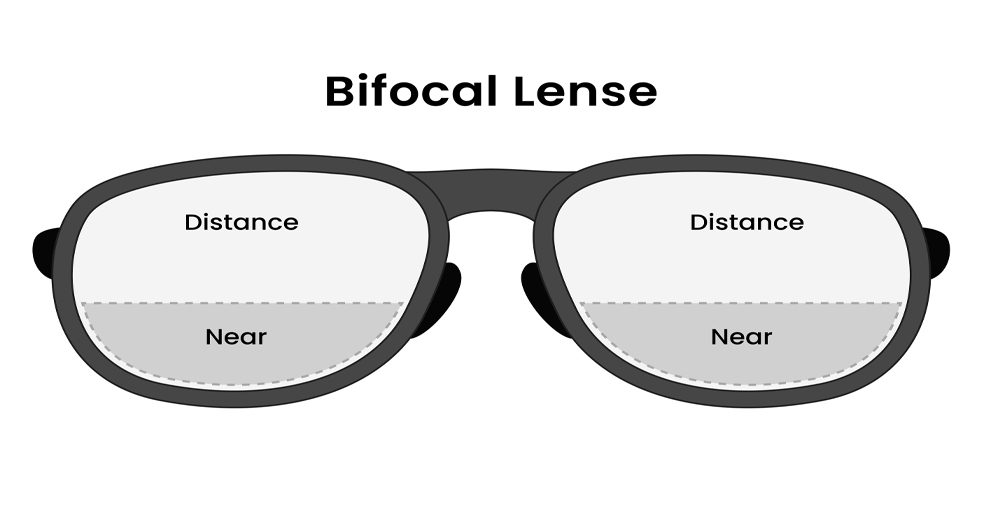
Bifocals: These have two powers—distance on top, near on the bottom. You get clear reading and driving without swapping glasses.
Progressive Lenses: Progressives blend powers smoothly, with no visible line. They’re great if you need to switch focus a lot—like with computers or walking around.
Reading Glasses: If you see far away just fine, single-power readers might do the trick for short reading stints. You’ll just have to take them off a lot.
Getting the right measurements (like pupillary distance and segment height) matters. A good fit means less distortion or awkward head tilting.
Adjust Daily Habits to Reduce Strain
Making a few small changes can help your eyes feel better while you get used to new lenses or wait for your exam.
Breaks: Try the 20-20-20 rule—every 20 minutes, look at something 20 feet away for 20 seconds. It gives your eyes a break.
Lighting: Use bright, even light when you read. It helps you stop squinting and makes text pop.
Screen Setup: Keep screens at eye level and about an arm’s length away. That way your neck and eyes both stay happier.
Task Limits: Don’t do close-up work for hours on end. Short breaks help your focus and comfort.
Conclusion
You need bifocals when near-vision strain slows you down and simple tricks like moving things farther away or turning on more light don’t help anymore.
Blur at close range: Text goes soft at arm’s length because your eye’s lens stiffens with age. Menus, phones, and labels become a hassle to read.
Frequent eye strain: Your eyes get tired after reading or using screens, and you might get headaches or just feel uncomfortable.
Distance stays clear: You can see far away just fine, but lose sharpness up close. That’s presbyopia—not general vision loss. It’s why you need two prescriptions in one lens.
Daily efficiency drops: You’re always holding things farther away or adjusting lights, and it slows down everyday stuff like shopping or checking your phone.
A solid eye exam will pinpoint what’s going on and tell you exactly what lens powers you need. Since the test covers both near and far focus, you’ll know if bifocals or progressives fit your routine best.
Clear vision at every distance starts with the right lenses. At GlassesShop, you can pick bifocals, progressives, and fresh prescription options for reading, driving, or just getting through the day. Try them with acetate, metal, or rimless frames. Use the Face Shape Detector, and get Buy One Get One 60% Off with free shipping on orders over $69.
FAQs
What are the indicators that I might require bifocal lenses?
You might need bifocals if your eyes can’t focus well at both near and far distances during the same day. This usually comes from presbyopia, which starts as your eye’s lens stiffens up with age.
Blurry near vision: Reading small print is tough, even with good lighting. Menus, labels, and phone screens all look fuzzy.
Holding items farther away: You start stretching your arms to read because close focus just isn’t there anymore.
Eye strain or headaches: You get discomfort after reading or using screens, since your eyes are working harder to keep up.
Clear distance vision but poor close vision: You see road signs just fine, but books are a blur. That’s a strong sign you need two focus zones in one lens.
What is the difference between progressive lenses and bifocals, and how do I choose?
Bifocals and progressives both help with near and far vision. They use different lens designs to get the job done.
Bifocal lenses have two clear zones with a visible line. The top part handles distance, while the lower segment helps you see up close.
With bifocals, you can shift focus quickly, but you'll notice that line. It's not subtle, and some folks find it distracting.
Progressive lenses, on the other hand, blend the focus gradually. There's no visible line, so the change feels smoother.
These lenses give you clearer vision at lots of distances—think screens, dashboards, or even menus at dinner. It's a more seamless experience for many people.
Choosing between them depends on your daily habits and comfort. Your budget matters too.
If you're not sure, an eye doctor can help you decide. They'll look at how you read, drive, and use screens to make a recommendation.
Are there specific tests to determine if bifocal lenses are needed?
Eye doctors use standard vision tests to figure out whether bifocals will actually help you. These tests check how well you focus at different distances, which is honestly more important than most people realize.
Here's what they usually do:
- Visual acuity test: You read letters at both far and near ranges. This helps the doctor see where your focus starts to slip.
- Refraction test: The doctor switches up the lens power, hunting for that moment when everything snaps into clear view. Basically, they're measuring the exact strength you need for each distance.
- Near vision assessment: You'll read some close-up text during the exam. This part helps confirm if you need a correction for seeing things up close in your glasses.