How to Clean Sunglasses?
Sep 18, 2026
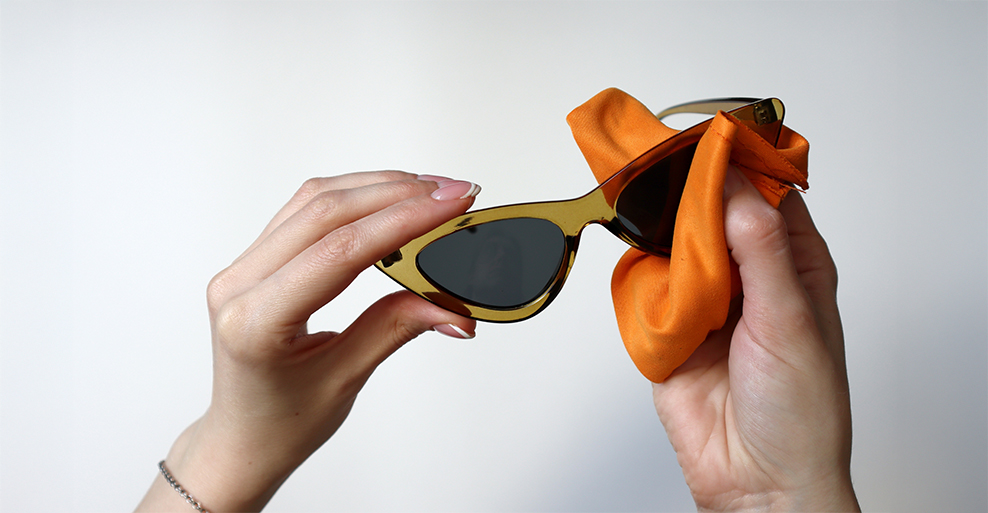
Learning how to clean sunglasses means understanding simple and careful ways to remove dirt, fingerprints, and smudges without harming the lens surface. A clean pair offers sharper vision, reduces eye strain, and keeps every protective coating in good condition. Cleaning regularly helps prevent buildup from sunscreen, sweat, and dust. This is especially true in outdoor settings.
Sunglasses are not only a fashion piece. They act as an important shield that blocks harsh light, reduces glare, and protects your eyes from harmful UV rays. When cleaned correctly, the lenses stay clearer for longer periods, and the protective layers continue to work as intended. Good cleaning habits keep frames sturdy, lenses scratch-free, and coatings strong through daily use.
Improper cleaning can damage UV coatings or polarized layers. Harsh chemicals, rough cloth, or fast wiping can scratch the surface and shorten lens life. Over time, these scratches make vision less sharp and increase glare during driving or outdoor sports. This guide explains safe cleaning methods, the best way to clean sunglasses, and the common mistakes many people make. Each step shows how to protect your lenses, avoid peeling coatings, and keep your sunglasses looking new for the long term.
Understand Your Sunglasses’ Materials
Understanding the materials used in sunglasses helps guide safe cleaning. Each lens type has a different coating and a different level of sensitivity. Knowing these differences prevents scratches, peeling, and other forms of damage during cleaning.
Polarized Lenses
Polarized lenses reduce glare from reflective surfaces such as water, snow, pavement, or car hoods. This feature improves comfort and visibility in bright outdoor settings. Polarized lenses have a thin glare-filtering layer, so they can be sensitive to strong chemicals. Alcohol-based sprays and ammonia cleaners can harm this film. They might leave streaks, cloudy spots, or rainbow marks behind. Safe care uses mild soap and lukewarm water, followed by a soft cloth. Consistent gentle cleaning keeps the layer strong, smooth, and clear.
Photochromic or Transition Lenses
Photochromic or transition lenses automatically adjust tint based on sunlight levels. They automatically darken under sunlight to reduce brightness and return to a lighter state indoors. This light-shifting feature depends on a delicate surface coating. Strong pressure, rough cloths, or aggressive scrubbing can peel this layer and interrupt the tint response. Safe cleaning begins with rinsing the lenses under flowing water to remove dust or sand. This step stops tiny particles from scratching the surface while wiping. It also helps keep tint changes smooth and even over time.
UV-Protected Coating
A UV-protected coating blocks harmful UVA and UVB rays that strain the eyes. This layer supports long outdoor use and helps protect long-term eye health. Alcohol and acetone can weaken the coating over time and may remove it completely. Proper care uses a microfiber cloth for drying because tissues or paper towels leave scratches and can thin the coating. When cleaned carefully, UV protection remains strong, and visibility stays sharp in bright outdoor light.
Step-by-Step Cleaning Process
A simple cleaning routine protects every part of the sunglasses, from the outer lens surface to the inner coating layers. Each careful step lowers the risk of scratches, streaks, or peeling that build up over time. When cleaning becomes a regular habit instead of a quick wipe, the lenses stay brighter, the coating lasts longer, and the sunglasses remain comfortable and reliable for outdoor activities, driving, or everyday errands.
Step 1 - Prep and Initial Water Rinse
Preparation keeps lenses safe before any wiping begins. Clean hands reduce the chance of adding extra oil or dirt to the lenses during washing. A clean, flat surface lowers the risk of slipping and scratching the lenses while cleaning. Even tiny scratches can distort vision and lead to eye fatigue or discomfort. Before applying soap, rinse the sunglasses under a gentle stream of lukewarm water. This step washes away dust and helps prevent surface damage when the cleaning begins.
Step 2 - Wash with Mild Dish Soap
A drop of mild dish soap gives enough cleaning power to lift smudges, sweat, or makeup without harming delicate coatings. Rubbing both sides gently with your fingertips safely removes buildup. This soft pressure protects the lens and prevents peeling. Complete rinsing clears away soap residue, prevents streak lines, and keeps lenses fully clear. Shaking off extra water prepares the surface for proper drying and reduces the time needed to blot.
Step 3 - Dry and Polish with Microfiber
A microfiber cloth prevents scratches and absorbs water without leaving lint. Blotting instead of rubbing keeps the surface smooth and protects sensitive coatings from friction wear. Check the lenses in the light. This helps you spot any streaks or water spots. If any marks remain, gentle circular polishing restores full clarity and an even finish. This simple finishing step keeps vision sharp and protects the long-term condition of every lens layer.
Cleaning Mistakes to Avoid
Safe cleaning depends not only on following the right steps but also on avoiding habits that damage lenses. Many people clean their sunglasses quickly. They often overlook how little actions can harm the coatings or weaken the frames. These mistakes can shorten the lifespan of polarized, UV-coated, or photochromic lenses. Understanding these risks helps keep your sunglasses clear, strong, and looking new for years.
Using Alcohol or Glass Cleaner
Alcohol-based sprays and regular glass cleaners are handy, but they have harsh chemicals like ammonia. These ingredients break down protective coatings, especially polarized and UV layers. Over time, the damage causes peeling, cloudy spots, or color changes on the lenses. Many household cleaners are designed for windows or mirrors, not delicate eyewear. They can leave streaks and create long-term problems that cannot be repaired. Using eyeglass cleaners is safer. These products are designed for coated surfaces and won't damage the lens material.
Wiping Dry Without Rinsing
Wiping lenses while they are dry is one of the most common mistakes. Dust, sand, and tiny particles can get trapped on the lenses throughout the day. When wiped directly, these particles act like sandpaper and create micro-scratches. These small marks build up and reduce clarity, causing glare and visual distortion. Rinse with lukewarm water before wiping. It will remove particles and keep the surface smooth. This simple step prevents long-term wear and keeps the lenses looking clear and sharp.
Leaving Sunglasses Wet or Under Heat
Storing wet sunglasses can cause corrosion. This is especially true for metal frames and hinges. Moisture trapped around screws or joints weakens the hardware and may cause rust. Heat exposure is another hidden danger. Leaving sunglasses in a hot car or near direct sunlight can warp plastic frames or loosen the screws. This warping affects alignment and comfort. First, dry the sunglasses completely. Then, put them in a case to protect the frames and lenses. A stable, cool place prevents damage and extends the life of your eyewear.
Conclusion
Proper cleaning keeps sunglasses clear, strong, and comfortable to wear. Careful steps protect both the surface and the coatings that block UV rays or reduce glare. Gentle products are always safer than household cleaners. Harsh chemicals can weaken coatings, fade color, or damage the finish. A simple routine using mild soap, clean water, and a soft cloth helps maintain long-term clarity.
Good maintenance also protects the value of the sunglasses. Clean lenses support sharp vision, while clean frames last longer and stay comfortable. Regular care prevents scratches, peeling, or warping and keeps every pair looking stylish and fresh. With safe habits, your sunglasses remain a reliable tool for outdoor protection.
At GlassesShop, sunglasses use premium lenses and durable materials that stay clear with proper cleaning. From polarized to prescription styles, each pair is designed for easy care and long-lasting shine. Explore the latest collection and enjoy Buy One Get One Free, plus free shipping on orders over $69— because your sunglasses should look as fresh as you do.