How to Choose the Best Glasses for Driving: Safety, Comfort, and Clarity
Jul 21, 2026
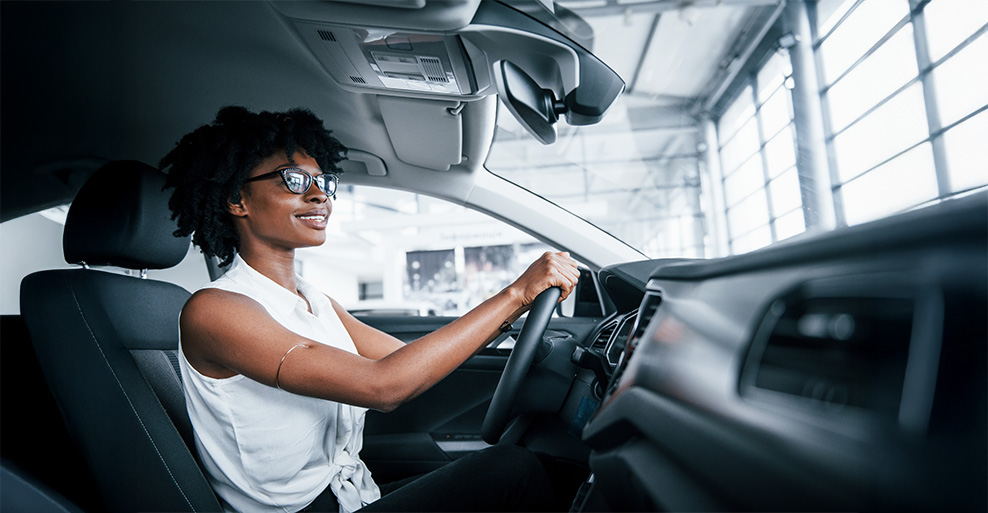
You pick the best glasses for driving by matching your vision needs with the right lenses, coatings, and frame fit. This way, you see the road clearly in all kinds of light. The right driving glasses cut glare, sharpen distance vision, and keep your whole field of view clear. That matters for safety and comfort every time you get behind the wheel.
Glare from headlights, low contrast at dusk, and eye strain on long trips can all make driving tough. Lenses with anti-reflective coating help by cutting down on light bouncing off the lens surface, which means fewer halos at night. Polarized lenses help in bright daylight because they block horizontal glare from roads and windshields. That makes signs and lane lines easier to spot.
This guide pulls from optometry standards and current eyewear advice to help you pick glasses for driving that fit your routine. You’ll find out how vision conditions affect driving, which lens features and colors work best, how frames should fit, and how your needs change from day to night.
Understanding Driving Vision Conditions
Driving vision is all about how well you see the road as light, glare, and weather shift while you move. These factors affect contrast, focus, and reaction time, making driving a unique challenge for your eyes.
Changing light conditions
You deal with bright daylight, low-angle sun at dusk, and limited light at night.
Day: Strong sunlight boosts contrast but throws harsh shadows everywhere. Driving glasses for day can help reduce glare as your eyes adjust between open roads and shaded spots.
Dusk: Light levels drop, but glare stays high with the sun sitting low. That makes it harder to spot road signs and pedestrians.
Night: Less light means fewer details and depth cues. You end up relying more on headlights and reflective paint.
Glare sources
Glare can come from sunlight, headlights, and shiny surfaces.
Sunlight: Direct sun makes you squint because too much light scatters inside your eye, reducing sharpness.
Oncoming headlights: LED and HID headlights put out intense, blue-heavy light. You might see halos and need more time to recover after passing cars.
Wet roads: Water on the road acts like a mirror. Lane lines and obstacles can just blend into the glare.
Why regular glasses aren’t always great for driving?
Lens design: Standard lenses correct vision but often skip anti-reflective coatings. That means more internal reflections at night.
Light control: Regular lenses don’t cut down on glare or boost contrast. Your eyes end up working harder, which can leave you feeling tired during long drives.
Lens Features That Enhance Driving Vision
The right lens features cut glare, control light, and help your eyes relax. These features matter most during bright sun, night traffic, and sudden light changes.
Polarized Lenses – Cut Daytime Glare from Reflections
Polarized lenses are a popular choice for daytime driving glasses because they reduce glare from light bouncing off flat surfaces like roads and windshields.
A vertical polarization filter blocks horizontal light waves reflected from asphalt, water, and glass. You won’t get blinded by bright reflections anymore.
You see lane markings and road edges with better contrast in full sun. That helps you judge distance and speed more easily.
Polarization can make some LCD screens harder to see. Dashboards or GPS displays might look darker at certain angles.
Best for daytime driving in strong sunlight, especially on highways or near water.
Anti-Reflective Coatings – Improve Clarity Under Headlights
Anti-reflective (AR) coatings cut down on internal lens reflections that cause glare at night.
The coating uses several thin layers to cancel out reflected light. More light makes it to your eyes, so things look sharper.
Headlights and streetlights look clearer, not star-shaped. That makes reading signs and spotting hazards at night easier.
AR coatings also reduce reflections on the lens surface. Your eyes stay more relaxed on long night drives.
Best for night driving, rainy conditions, and heavy traffic after dark.
Photochromic Lenses – Adapt Automatically to Light Changes
Photochromic lenses darken in sunlight and clear up indoors, reacting to UV exposure.
UV-reactive molecules in the lens change structure in sunlight. The tint adjusts on its own, no need to swap glasses.
You move between bright and shaded areas without needing to change glasses. That’s handy when entering or exiting tunnels.
Most car windshields block UV light, so lenses might not darken fully inside your vehicle.
Great for drivers who want just one pair for both indoor and outdoor use.
Blue-Light and UV Protection – Reduce Eye Strain
Blue-light and UV protection limit exposure to certain light ranges that can stress your eyes.
Lenses rated UV400 block wavelengths up to 400 nanometers. That protects your eyes from long-term sun damage when you drive during the day.
Some lenses filter out high-energy visible blue light from LED headlights and screens. This can help reduce eye fatigue on long drives.
Filters should stay light and mostly clear. Heavy filters can cut contrast and slow your reaction time.
Especially useful for long commutes, cars with lots of digital displays, and frequent night driving.
How To Choose the Right Lens Color for Driving?
Lens color changes how much light gets to your eyes and how well you see contrast, glare, and road details. Your best choice depends on light levels, weather, and whether you drive during the day or at night.
Gray Lenses – Natural Color Perception for Bright Daylight
Gray lenses reduce brightness without messing with color, so you can judge traffic signals and signs in full sun.
Gray lenses cut light evenly across all colors. You’ll see reds, greens, and yellows the way they’re supposed to look.
Many gray driving lenses have polarization. That blocks reflected light from pavement and car hoods, so your eyes feel less strained on long sunny drives.
These lenses work best in bright daylight, whether you’re on highways or city roads. They help you keep steady vision when the sun’s out for hours.
Gray lenses don’t boost contrast. In fog, rain, or shade, they might seem a bit flat and not as helpful.
Brown/Amber Lenses – Better Contrast in Cloudy or Hazy Light
Brown and amber lenses boost contrast by filtering blue light, which helps you spot edges and shapes when light is uneven.
By cutting blue wavelengths, these lenses make objects stand out better against their backgrounds. Lane lines and curbs pop out more in haze.
Improved contrast helps you judge distance, which matters for turns and merging.
These lenses are good for overcast skies, light fog, and smog. They also work in early morning or late afternoon sun.
Browns and ambers warm up colors a bit. Traffic signals stay clear, but things look less neutral compared to gray lenses.
Yellow Lenses – Limited Use, Not Recommended for True Night Driving
Yellow lenses make things look brighter and boost contrast in low light, but they don’t actually add light and can cut clarity at night.
Yellow tints block blue light, sharpening contrast in fog or heavy clouds. This can help during daytime storms.
The tint makes scenes look brighter, but real visibility doesn’t improve. It’s more about perception than actual light levels.
At night, yellow lenses cut down the total light reaching your eyes. That can slow your reaction to hazards, especially on dark roads.
Use yellow lenses only in certain daytime conditions like fog. Don’t use them for night driving.
Clear Lenses with AR Coating – Best for Night Conditions
Clear lenses with anti-reflective (AR) coating let in the most light while cutting internal glare.
Clear lenses let nearly all available light reach your eyes. You’ll see more detail on dark roads.
The AR coating reduces reflections from headlights and streetlights. Your eyes don’t have to work as hard to focus.
Less glare helps you react faster to pedestrians and road hazards at night.
Look for scratch resistance and a hydrophobic layer, which keep lenses clearer in rain without making your view darker.
Frames and Fit Considerations In Choosing Driving Glasses
Frame shape, weight, and where the glasses touch your face all affect what you see and how steady your glasses feel. For driving, these details help reduce blind spots, lower pressure on your face, and keep lenses stable as you move your head.
Wide Field of Vision and Thin Rims
You want frames that block as little of your view as possible but still stay put. Thin rims and open shapes help by reducing what you can’t see at the edges.
Key things to look for:
Thin metal or rimless frames use narrow profiles, so your side vision stays open. You’ll notice cars, cyclists, and signs sooner.
Medium lens height keeps traffic lights and dashboards in view without making you tilt your head.
Frames that are flat or only slightly curved avoid the weird edge distortion that happens with really wrapped styles.
Skip oversized fashion frames. Big rims can block mirrors and corners, which means you have to turn your head a lot more during lane checks.
Lightweight Materials for Long Drives
Frame weight matters for comfort and focus on long trips. Heavy frames press on your nose and ears, causing soreness and distraction.
Materials that reduce strain
Titanium feels light but stays strong, so your frame holds its shape after daily use. TR-90 nylon is a flexible plastic that resists heat warping inside hot cars, keeping frames straight even after hours in sunlight. Thin acetate, when cut slim, spreads weight evenly instead of pressing on one spot. Look for frames that weigh under 30 grams. Lower weight means less fatigue, helping you stay focused on the road.
Secure Nose Pads and Temple Arms for Stability
Driving means you move your head a lot, so your glasses can’t slip every time you check mirrors or scan intersections.
Stability features to prioritize
Adjustable silicone nose pads grip better and let you fine-tune the fit, so your glasses don’t slide during stops and turns. Contoured temple arms curve behind your ears, anchoring the frame without pinching. Spring hinges add flex, keeping alignment even if you put glasses on with one hand. A stable fit keeps lenses centered with your pupils, which keeps your focus clear while driving.
Daytime vs Nighttime Driving Glasses
Day and night driving challenge your eyes in different ways. Lens color, coatings, and light control all matter because lighting changes how glare and contrast hit you.
Daytime: Polarization + UV Protection
Daytime driving glasses cut bright light and sun glare, helping you see road details without straining.
Polarized lenses block horizontal glare from water, snow, and asphalt. You’ll notice fewer bright flashes from wet roads and shiny car hoods. Lenses rated UV400 block all UVA and UVB rays, protecting your eyes from long-term sun damage. Gray lenses keep colors true, while brown lenses boost contrast. It matters—traffic lights and signs need to look right. A close fit reduces side light, so you squint less on sunny drives.
Here’s what to look for:
- Polarization: cuts road glare
- UV400 rating: blocks harmful UV
- Neutral tint: keeps colors accurate
Nighttime: Clear, AR-Coated Lenses Only
Night driving glasses need to stay clear and reduce glare without making things darker.
Clear lenses let in the most light—tinted ones make it harder to see at night, which slows your reaction time. Anti-reflective (AR) coatings cut surface reflections from headlights and streetlights, so you get fewer halos and starbursts. A current prescription keeps edges sharp and helps you judge distance, especially at night. Skip yellow lenses—they change colors and block too much light, making signs and lane markings harder to see.
Transition Lenses for Drivers Switching Between Lighting Environments
Transition lenses adjust their tint based on UV exposure, helping with frequent light changes.
Photochromic lenses darken in UV light and clear indoors. Since windshields block most UV, they stay mostly clear inside the car, so they don’t help much with bright sunlight while driving. Best if you drive, park, and walk outside often—you won’t need to swap glasses for quick stops. Pair with AR coatings to cut headlight glare at night. Without AR, you’ll still get reflections. They can’t replace polarized sunglasses in strong sun, so you might still need a separate daytime pair.
Common Myths About Driving Glasses
Plenty of claims about driving glasses sound believable, but real-world use doesn’t always match the hype. Knowing what’s a myth helps you pick glasses that actually keep your vision clear and safe on the road.
- Myth 1: Yellow night glasses improve night vision. Yellow lenses are often marketed as night vision eyeglasses that can improve visibility after dark, but they filter out blue light while also cutting overall light. In practice, things can look dimmer at night, making it harder to spot pedestrians or read road signs in low light.
- Myth 2: Any polarized lens works for driving. Polarized lenses block glare from flat surfaces, but they can also mess with digital displays. You might find dashboards, GPS screens, or head-up displays look dark or weird.
- Myth 3: Darker lenses are safer in bright sun. Very dark lenses cut brightness, but they don’t make things clearer. Without anti-reflective coating on the back, light still bounces into your eyes, so glare can stick around even with dark lenses.
- Myth 4: Non-prescription driving glasses work for everyone. If glasses don’t match your prescription, they can’t correct nearsightedness, farsightedness, or astigmatism. Road signs and lane markings might stay a bit blurry, adding to eye strain on long drives.
Practical Tips for Safe and Comfortable Driving Vision
Clear driving vision comes from choosing the right eyeglasses for driving and building habits that protect your lenses and your eyes. Small maintenance steps and regular eye care can cut glare and eye strain.
- Clean Lenses: Rinse lenses with water and use a microfiber cloth to keep them clean and scratch-free. Scratches scatter light and cause more glare at night, making road signs harder to read.
- Proper Storage: Store glasses in a hard case when you’re not using them. This prevents pressure marks and keeps lenses clear longer.
Old or damaged lenses change how light moves through them, which affects contrast and focus, especially in low light.
- Worn Coatings: Replace lenses when anti-reflective coatings start to peel or fade. Good coatings reduce reflections and cut headlight halos at night.
- Outdated Prescriptions: Update lenses when your vision changes. Even small shifts can slow down how fast you read signs or judge distance.
Your eyes change with age and screen use. Regular exams help catch problems early.
- Eye Exams: Schedule eye exams every two years, or yearly if your doctor says so. Exams check focus, contrast, and glare tolerance, making sure your glasses match your current driving needs.
FAQs
What features should I look for in prescription glasses for safer driving?
You’ll want lenses that cut glare, keep vision sharp at all distances, and fit comfortably in your car.
Anti-reflective coating reduces internal reflections from headlights and dashboards, so you get fewer halos and clearer road signs. A current prescription keeps distance vision sharp—small errors can mess with contrast at night. Frames that sit close to your face block side light, which means fewer distractions from sun or streetlights. Polycarbonate or Trivex lenses add impact protection if debris hits the lens.
How do polarized sunglasses enhance daytime driving visibility?
Polarized lenses block horizontal glare from roads and car hoods.
A polarizing filter removes reflected light at certain angles, so you squint less and see lane markings better. Gray tints keep colors true, while brown boosts contrast—handy for judging traffic lights and road edges. UV400 protection blocks all UVA and UVB rays, which reduces eye fatigue on long drives.
What are the best options for glasses to improve night driving, especially for those with astigmatism?
Clear night driving lenses with glare control work better than tinted lenses at night. Clear lenses with anti-reflective coating can really make a difference. These layers cut down on those annoying starbursts that astigmatism causes. Headlights look sharper and less smeared, which is a relief when you’re tired.
High-index lenses, like 1.60 or higher, are thinner and help reduce edge distortion. Your peripheral vision feels steadier with these. If you’ve ever tried yellow night tints, you might’ve noticed they actually make dark roads harder to see. They cut down on total light, so I’d skip them.
Are there specific lens coatings that help with visibility for driving at night?
Some coatings really target glare and those harsh surface reflections that show up after dark. Anti-reflective coating on both the front and back helps a lot. It cuts down reflections from oncoming lights and boosts contrast, especially when traffic is heavy.
A hydrophobic top coat is handy too. It repels water and oil, so rain clears faster and you won’t have to wipe smudges as often. Scratch-resistant coating is also useful. A hard surface keeps your lenses clearer, so light doesn’t scatter as much.
How do bifocals compare to progressive lenses for driving purposes?
Bifocals and progressives both work, but they feel different when you’re shifting focus. Bifocals give you a visible line with fixed zones. You get clear distance and dashboard vision, though that line can sometimes block part of your view.
Progressive lenses blend distances without any lines. It’s easier to shift your focus from the road to your mirrors, but they do need to be fitted just right. Some progressives are made specifically for driving. These widen the distance zone so you get more usable road vision while you’re seated.
What type of glasses are recommended for driving in both day and night conditions?
For night driving, eyeglasses for night driving with clear prescription lenses and anti-reflective coating really help. Clear glasses let in more light after sunset, reducing reflections and making your vision a bit safer and more comfortable at night.
For daytime, go with polarized sunglasses that have UV400 protection. They cut down glare and don’t mess with your vision at night. Photochromic lenses? Honestly, they’re not ideal in the car. Since windshields block UV light, those lenses usually don’t get dark enough when you actually need it.