Daily Eye Exercises for Better Eye Health
Oct 01, 2026
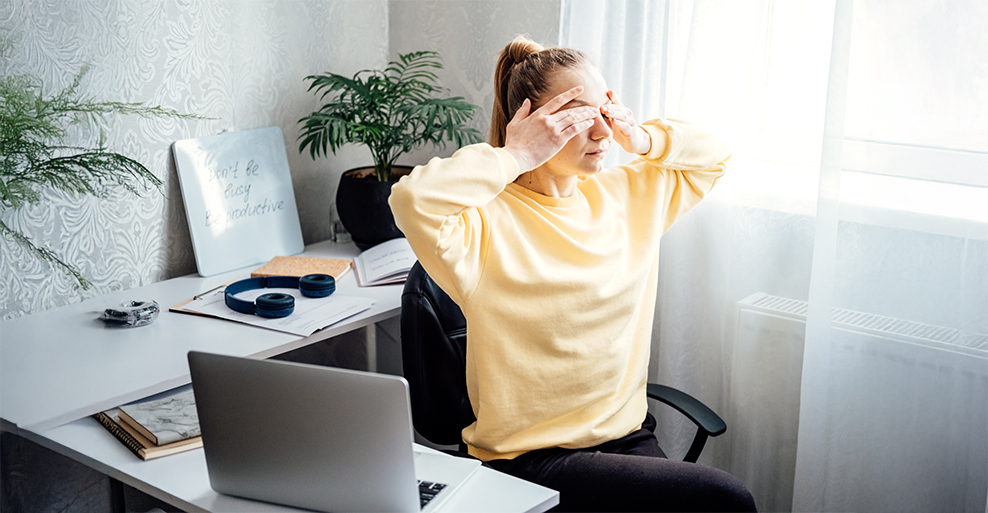
Long hours of near‑focus tasks—staring at screens, reading documents, or working on fine details—can lead to eye strain, dryness, and visual discomfort. While eye exercises cannot replace professional eye care or correct refractive errors, they encourage healthier visual habits by reminding us to give our eyes periodic rest. Prolonged screen time can contribute to tired, dry, or uncomfortable eyes, which is why many people search for eye exercises to improve vision when they notice these symptoms. Although eye exercises cannot correct refractive errors or replace an eye exam, some simple techniques can encourage regular visual breaks and may help relieve discomfort associated with prolonged near work.
Reducing Digital Eye Strain
The Role of Simple Eye Exercises
Simple eye exercises provide regular breaks from continuous near work. They may help relieve feelings of tired or overworked eyes, especially when you have been glued to a monitor for hours. Many people blink less frequently while using digital devices, so exercises that encourage conscious blinking can refresh the tear film. For example, during a short break, close your eyes gently for a few seconds or shift your gaze away from the screen to give your eyes a chance to rest.
Why Eye Exercises Matter
Eye exercises serve as reminders to pause and rest the eyes throughout the day. Building consistent habits—such as taking regular breaks from near work—can contribute to better visual comfort throughout the day. They are not a substitute for prescription lenses, but they work alongside other healthy practices. When combined with proper lighting, adequate sleep, and regular breaks, these habits can help reduce the discomfort that builds up during long periods of near work.
Supporting Overall Eye Comfort
Beyond Exercises
Proper lighting, hydration, and sleep also play important roles in maintaining comfortable eyes. Small daily habits, like adjusting screen brightness to match ambient light and keeping a water bottle on your desk, can make a noticeable difference over time. Eye exercises can be part of this routine, reminding you to pause, blink, and shift your gaze away from the screen.
Focus Adjustment Exercises
One focus exercise often discussed in relation to eye strain is the near-and-far focus technique. While it cannot correct astigmatism or change the shape of the cornea, shifting your focus between a nearby and distant object can provide a useful break from prolonged near work.
Simple Eye Exercises You Can Do
Eye Movement Exercises
Slowly move your eyes up and down, side to side, or in gentle circles. These movements encourage you to look in different directions after spending a long time focused on one area, which can provide a brief break from sustained near focus. They are easy to perform during short breaks throughout the day—simply look left, right, up, and down, holding each position for two seconds.
Relaxation Exercises
Practice slow, conscious blinking to refresh the eyes—close your eyes deliberately, count to two, then open. Another helpful technique is palming: cover your closed eyes with warm palms for a minute or two, allowing the darkness to reduce visual stimulation for a brief period. These brief moments of eye rest can help reduce feelings of visual fatigue. Pairing this brief rest with slow, relaxed breathing may also make the break feel more calming.
Popular Eye Exercises and Their Applications
Eye Exercises for Double Vision
Eye exercises for double vision are often associated with binocular vision and eye coordination training. Certain exercises—like pencil push‑ups or using a Brock string—may help improve how the eyes work together in specific situations, especially for people with convergence insufficiency. However, persistent double vision should always be evaluated by an eye care professional, as it can indicate neurological or muscular issues that require medical intervention.
Eye Exercises for Strabismus and Astigmatism
Eye exercises for strabismus are sometimes included as part of supervised vision therapy programs. Depending on the condition, supervised vision therapy may use exercises to improve eye coordination, convergence, and binocular function. For example, alternating occlusion and convergence exercises can be helpful for intermittent exotropia. Meanwhile, eye exercises for astigmatism are a common topic of interest among people seeking natural vision support. However, these exercises cannot change the shape of the eye or replace prescription lenses when correction is needed. While they cannot correct astigmatism, taking regular visual breaks may help reduce some of the discomfort associated with prolonged focusing.
Healthy Habits That Work Alongside Eye Exercises
Follow the 20‑20‑20 Rule
This simple habit helps reduce strain from prolonged near focusing: every 20 minutes, look at something 20 feet away for at least 20 seconds. It is one of the easiest eye strain exercises to integrate into your workday.
Create an Eye‑Friendly Environment
Reduce glare whenever possible by positioning your screen away from windows. Maintain a proper viewing distance—about an arm's length—while working or reading. Adjust screen brightness and room lighting to comfortable levels, and consider using a matte screen filter if needed.
Wear the Right Eyewear
Updated prescription glasses for eye strain can reduce unnecessary visual effort. If you spend long hours on digital devices, blue‑light filtering lenses may improve comfort for some users. For those with significant astigmatism or presbyopia, specialized glasses to help eye strain—such as occupational progressive lenses—can provide clearer vision at intermediate distances, easing the load on your accommodative system. Remember, even the best eye exercises cannot compensate for an outdated or incorrect prescription.
Conclusion
Eye exercises are best viewed as a simple way to build healthier visual habits rather than a way to correct your eyesight. Although they cannot cure refractive errors or replace professional treatment, they may help reduce everyday eye strain—especially when paired with proper eyewear, frequent breaks, and a healthy lifestyle. For those with specific conditions like strabismus or astigmatism, targeted exercises can be beneficial as part of a broader management plan, but always under the guidance of an optometrist or ophthalmologist.
Healthy vision starts with healthy habits. At GlassesShop, we believe daily eye care goes beyond wearing the right prescription—from ergonomic setups to daily exercise routines that keep you comfortable throughout the day. Pair good visual habits with stylish, high‑quality eyewear designed for work, study, and everything in between. Use our Face Shape Detector to find your perfect fit, and enjoy Buy One Get One Free plus free shipping on orders over $69—because taking care of your eyes should look as good as it feels.
Frequently Asked Questions
Can eye exercises improve your vision?
Eye exercises cannot generally correct refractive errors such as nearsightedness, farsightedness, or astigmatism. However, certain visual exercises may help with eye coordination or focusing in specific situations, while simple eye breaks can make prolonged screen use more comfortable. If your vision remains blurry or changes noticeably, an eye exam is more appropriate than relying on exercises alone.
What are the best eye exercises for eye strain?
Simple techniques that interrupt prolonged near focus can be useful for eye strain. Try looking between a nearby object and something farther away, blinking slowly several times, or briefly closing your eyes to rest them. These exercises work best as part of a broader routine that includes regular screen breaks, comfortable lighting, and an up-to-date prescription.
Does the 20-20-20 rule really help with eye strain?
The 20-20-20 rule is a simple way to build regular distance-viewing breaks into screen-heavy routines. Every 20 minutes, look at something about 20 feet away for at least 20 seconds. It may help reduce the discomfort associated with prolonged near focus, although it should be viewed as one part of an overall approach to managing digital eye strain.
Can eye exercises correct astigmatism?
No. Eye exercises cannot reshape the cornea or otherwise correct the refractive error caused by astigmatism. They may help you take more frequent visual breaks and reduce discomfort associated with prolonged focusing, but prescription glasses or contact lenses are still needed when vision correction is required. If astigmatism symptoms are persistent or changing, an eye care professional can determine the appropriate correction.